


Competent Advice & Support
A competent person is someone with the necessary skills, knowledge and experience to help you manage health and safety.
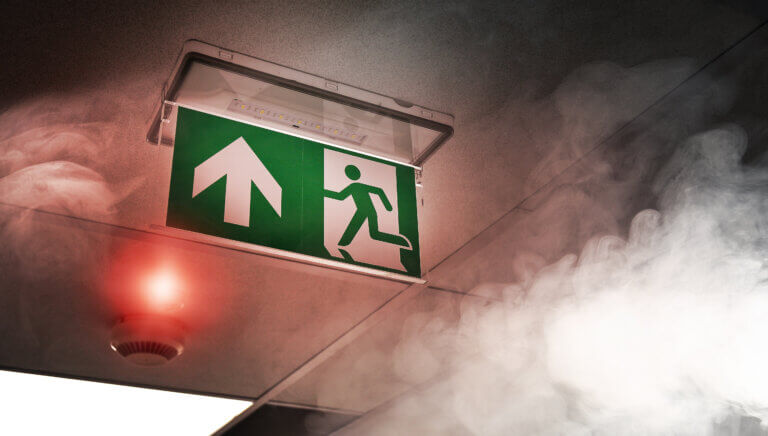
Fire Risk Assessments
A Fire Risk Assessment is a careful look at your premises and the people who use them, from a fire prevention perspective.

Workplace Risk Assessments
A Workplace Risk Assessment looks at significant hazards in the workplace, or the specific activity being assessed.

Health & Safety Policy
A health and safety policy sets out in writing your general approach to health and safety.

Online Training
Online learning provides fantastic flexibility and aids in arranging development opportunities far easier.
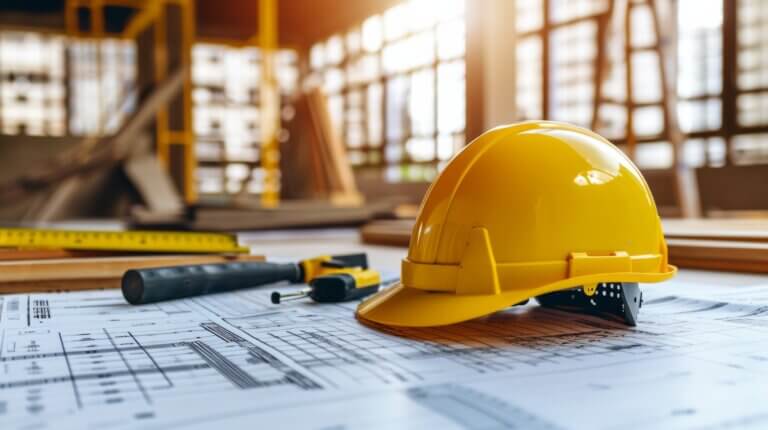
Construction Site Inspections
Construction Site Inspections are a “moment in time” monitoring process conducted by our health and safety consultants who are Chartered Health and Safety Practitioners, Certified Members of the Association of Project Safety and CDM experts.

Accident & Incident Investigation
An Accident & Incident investigation is a deep dive into all aspects of the accident/incident

Construction Plans and Services
Full CDM support for clients, principal designers, principal contractors and contractors.

Health & Safety Accreditations
Support with SSIP and industry accreditations – from a first application to getting unstuck – so you can evidence your health & safety capability and win the work.
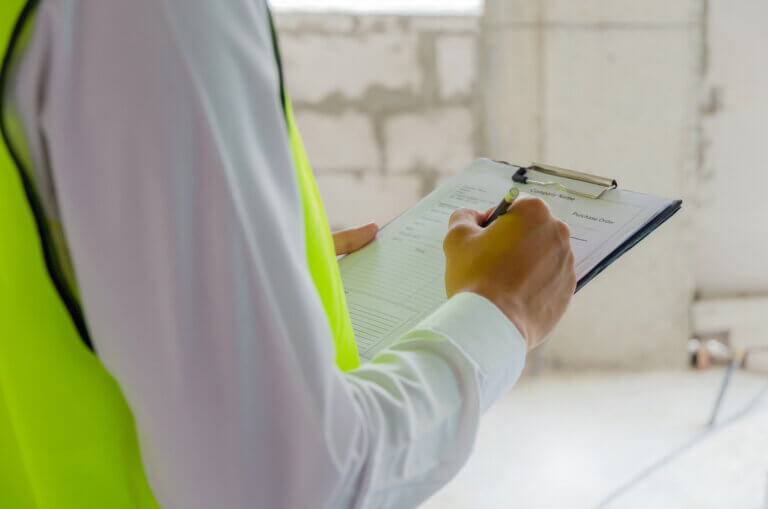
Health & Safety Inspections
Routine workplace inspections that look for existing and potential hazards, coach your people in the process, and give you a written report with a clear action plan.

Health & Safety Audits
What it is A check of the whole system, not just one part of it The HSE defines audits as “the collection of independent information on the efficiency, effectiveness and reliability of the total health and safety management system and drawing up plans for corrective action”. Audits are often confused with inspections and risk assessments. They are not the same thing. Audit Tests the total management system: is it efficient, effective and reliable? Inspection A moment in time check of a site, its conditions and the work taking place. Risk assessment Identifies the hazards of an activity and the controls needed to reduce them. Why do you need it? The good, the bad and the ugly Health and Safety Audits are one method of monitoring health and safety performance. A good audit will get into the good, the bad and the ugly, and highlight where improvement needs to happen. Audits are needed as part of the “check” element of the Plan, Do, Check, Act approach supported by the HSE. Highlights where improvement needs to happen Shows what you are doing well Complies with your health and safety policies Verifies that systems are working Aids with gaining accreditations Demonstrates an effective

In Person Training
Bespoke face to face training, configured for you by our trainers and delivered in a way that is relevant, engaging and genuinely enjoyable.
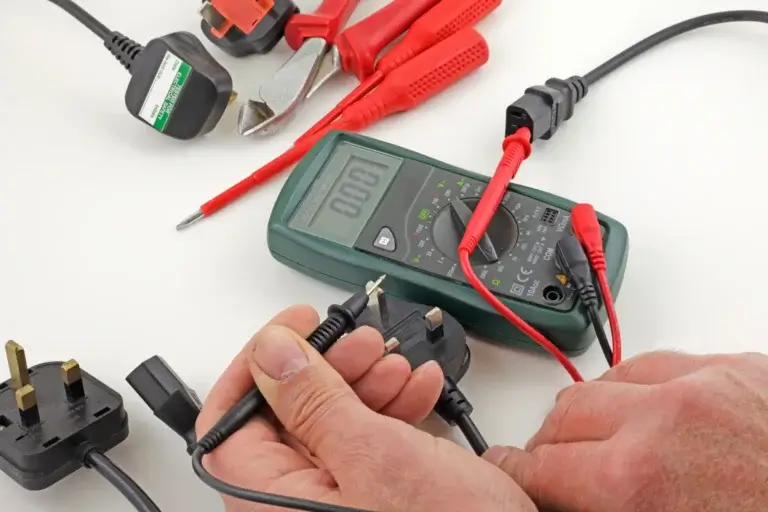
Portable Appliance Testing
What it is The damage is invisible until someone plugs it in Faulty electrical equipment is one of the most common causes of workplace fires and electric shock – and unlike most hazards, the damage is usually invisible until someone plugs it in. The Electricity at Work Regulations 1989 require employers to maintain electrical systems and equipment so far as is reasonably practicable to prevent danger. A programme of user checks, formal visual inspection, and combined inspection and testing is the recognised way of demonstrating that duty is being met. The Electricity at Work Regulations 1989 require you to maintain electrical equipment so far as is reasonably practicable to prevent danger. Why do you need it A recognised way to prove the duty is being met Faulty equipment is a leading cause of workplace fires and electric shock, and most faults give no warning. A documented programme of checks, inspection and testing protects your people – and evidences your compliance. Electricity at Work Regulations 1989 Reduces fire & electric shock risk Finds faults you cannot see Evidence for insurers & accreditations Demonstrates your duty is being met Protects staff, contractors & visitors Invisible faults, real consequences A damaged cable or
